2027 BMW X5 Prototype Drive: Inside BMW's First Five-Powertrain Neue Klasse SUV
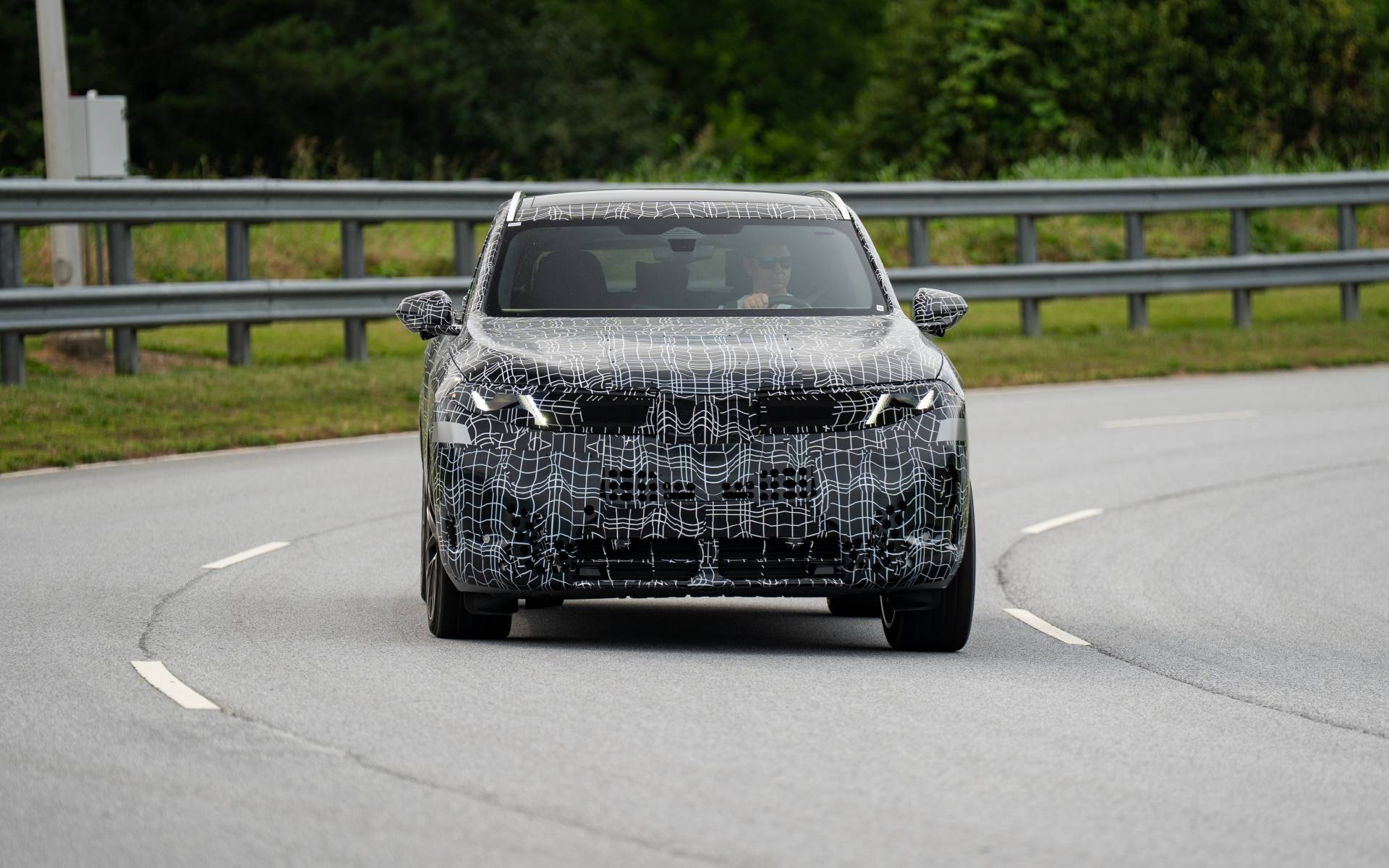
The 2027 BMW X5 is shaping up to be one of the most ambitious reinventions in the model's 25-year history. After four generations and roughly 3.1 million units sold, BMW's best-selling midsize SUV is moving onto the brand's next-generation Neue Klasse platform — and it arrives with an unprecedented choice of five powertrains: a mild-hybrid gas inline-six, a plug-in hybrid, a diesel, a fully electric iX5, and even a hydrogen fuel-cell variant.
That makes the new X5 the very first vehicle to put a combustion engine on the Neue Klasse architecture, a platform originally designed around electric power. We recently had the rare chance to drive three camouflaged prototypes fresh off the line at BMW's Spartanburg, South Carolina plant. Here's what the next X5 tells us about where BMW's luxury SUV is heading.
Key Takeaways
- Five powertrains: mild hybrid, plug-in hybrid, diesel, all-electric (iX5) and hydrogen fuel cell.
- First combustion engine ever fitted to BMW's Neue Klasse platform.
- iX5 60 xDrive: 141 kWh battery, 800-volt architecture, ~570 hp and a targeted 700 km EPA range.
- 50e xDrive PHEV: roughly 480 hp with EV range bumped to ~102 km WLTP (about 80 km EPA).
- All models use BMW's new "Heart of Joy" supercomputer for sharper dynamics.
A Neue Klasse Design, Scaled Up
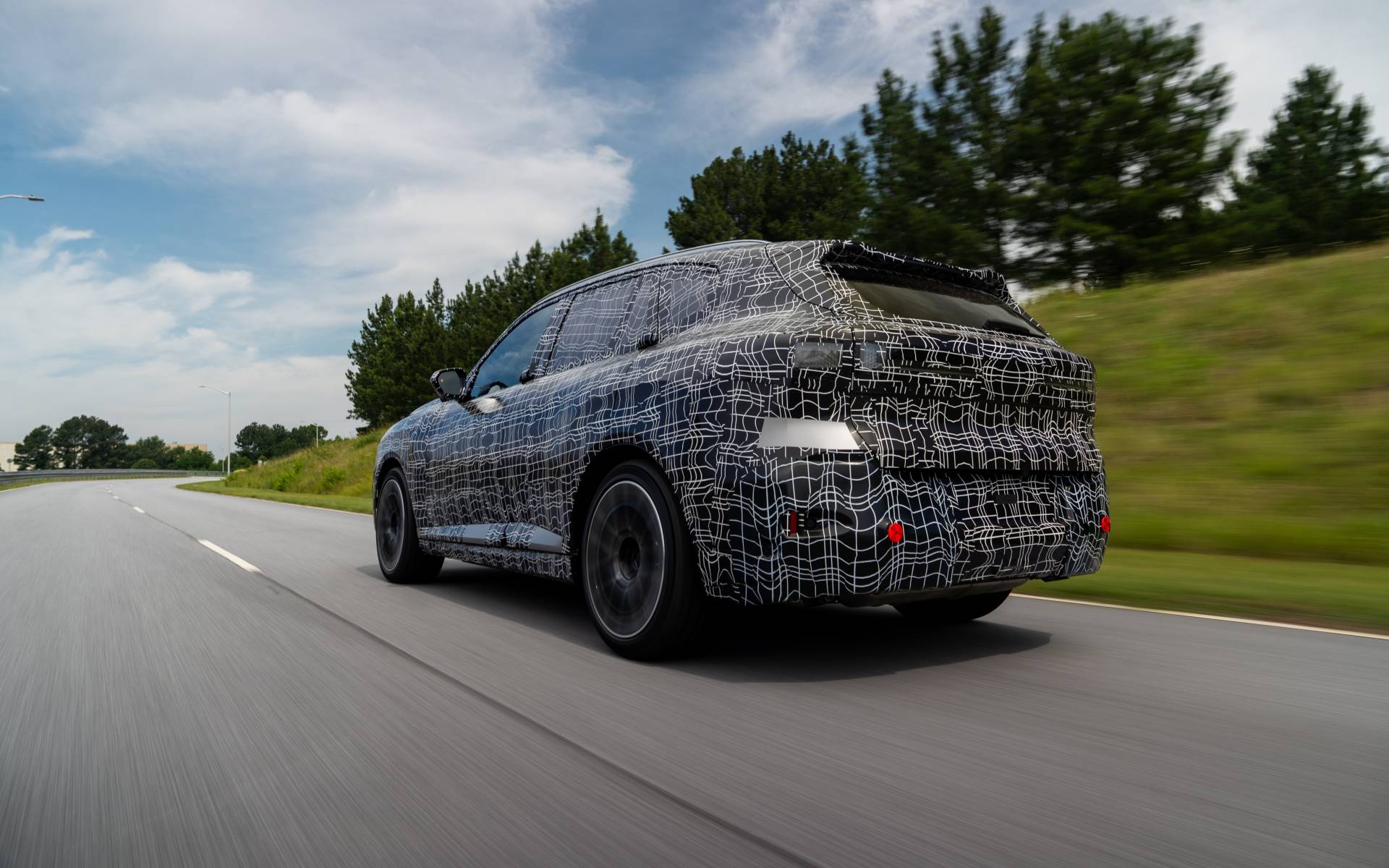
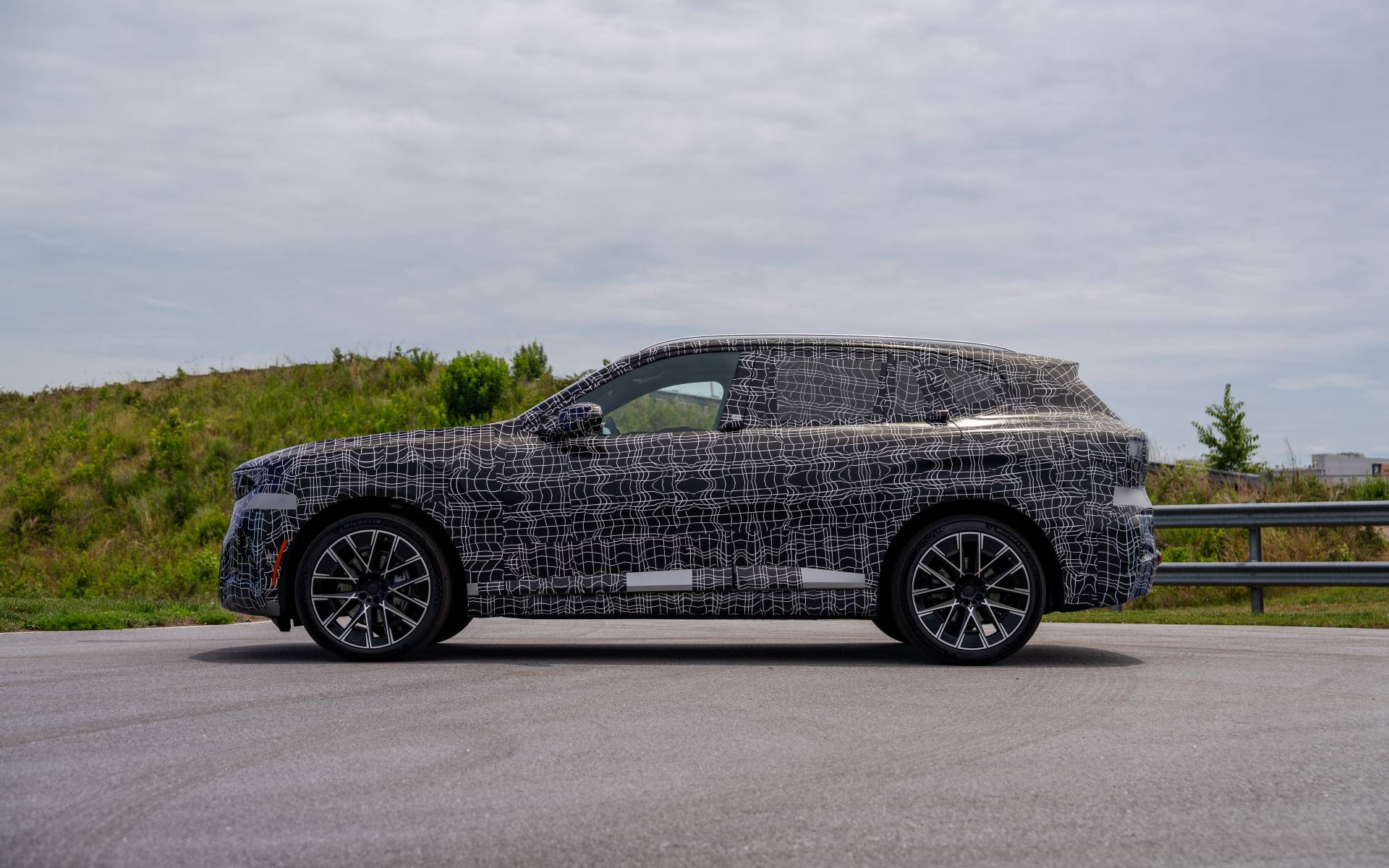
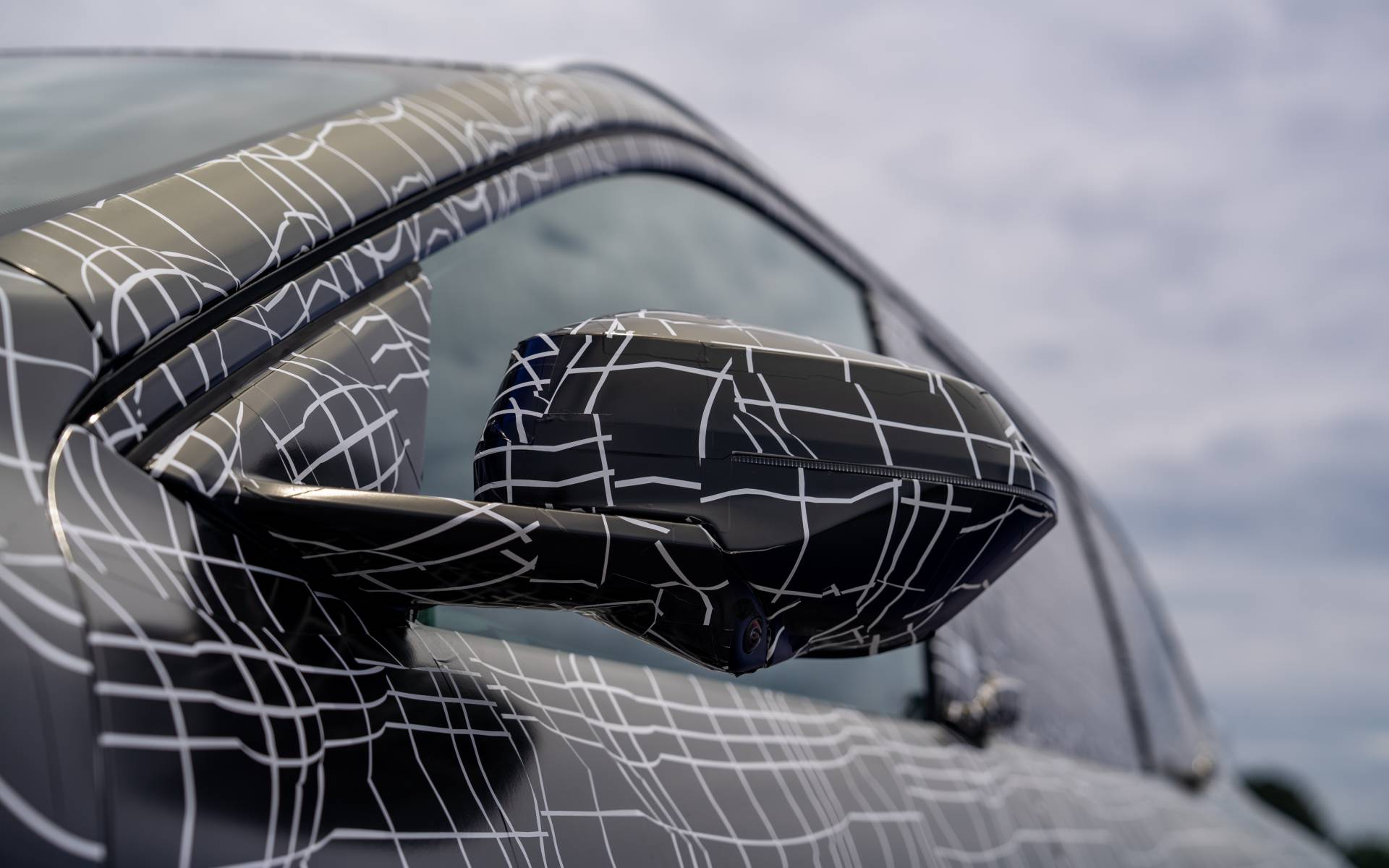
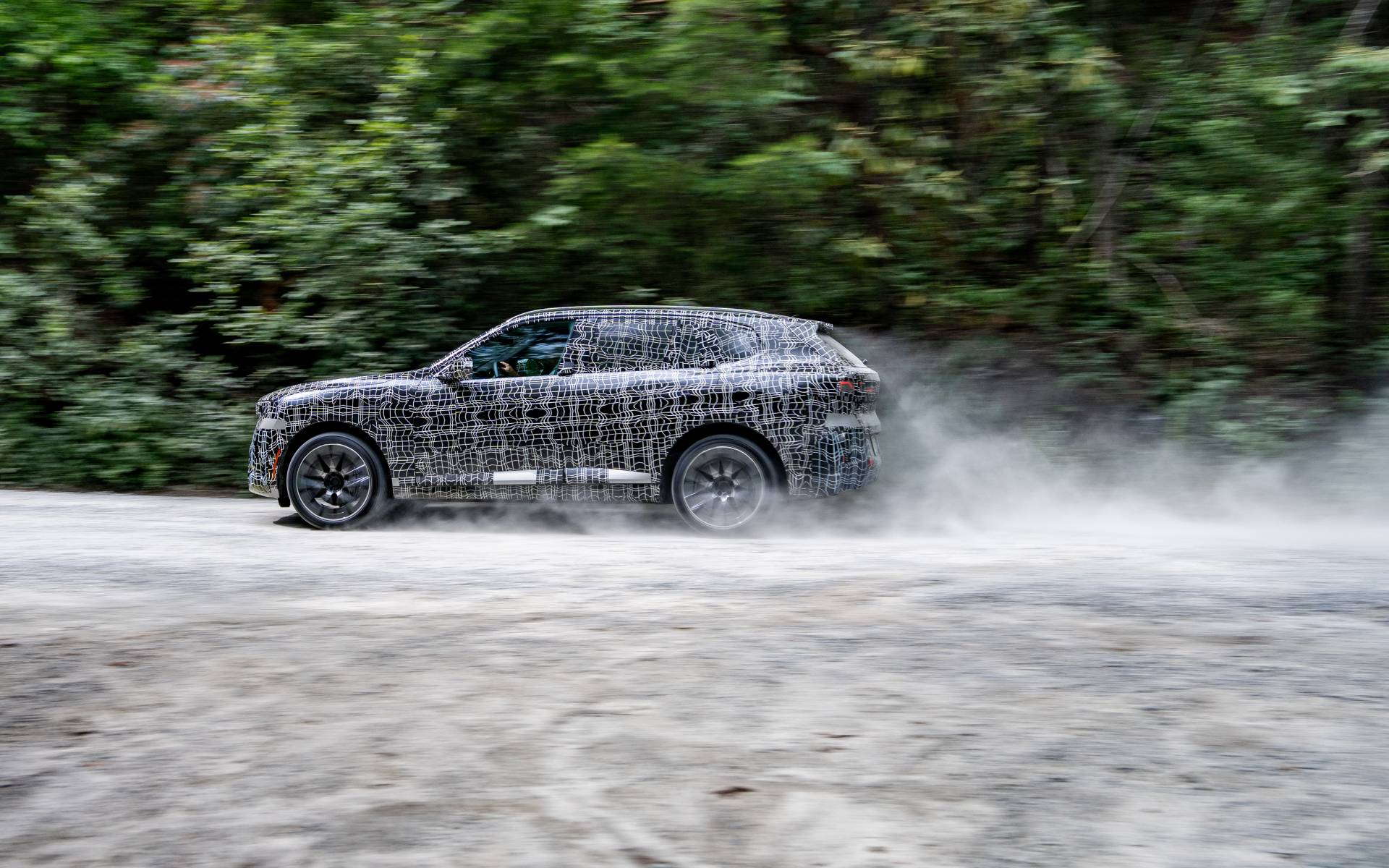
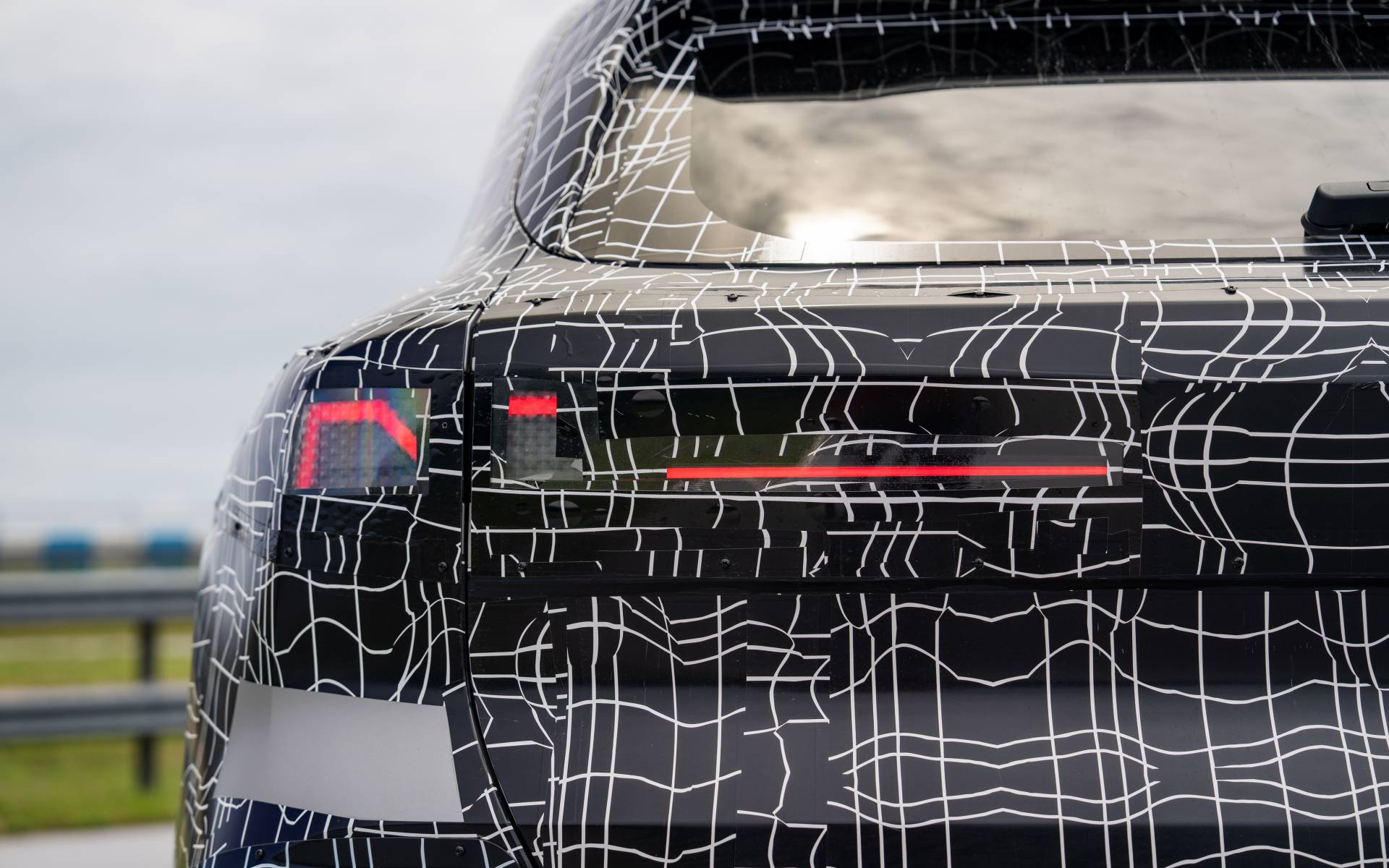
Although our test cars hid their sheetmetal under heavy camouflage, the proportions and surfacing clearly echo the smaller all-electric iX3 — just supersized. Each prototype rode on 21- or 22-inch wheels, and BMW designers hinted that an even larger diameter is coming, almost certainly reserved for future M models.
Inside, opaque blankets covered most of the cabin, but a glance at the dashboard confirmed it borrows heavily from the iX3's layout. Expect the driver-oriented centre display, the sweeping panoramic projection that runs from A-pillar to A-pillar, and BMW's distinctive squared-off steering wheel. Our prototypes even featured power-operated doors that open via a button or the touchscreen.
We appreciated the interface's clarity and quick responses, though as in the iX3 the scarcity of physical buttons is a genuine drawback for everyday usability. On the upside, the refined parking assistant is faster and smarter thanks to AI, and the adaptive cruise control now tolerates driver inputs like braking or lane changes without switching itself off entirely.
Powertrains: The iX5 Steals the Show
For North America, the mild-hybrid and plug-in hybrid models carry over with only modest tweaks — mostly efficiency-focused software updates rather than hardware overhauls.
40 xDrive — Mild Hybrid
The familiar turbocharged 3.0-litre inline-six (the B58) stays under the hood, paired with the proven 8-speed automatic. Its 48-volt system has been reworked for efficiency, with recalibrated regenerative braking. Preliminary figures suggest output now nudges close to 400 horsepower.
50e xDrive — Plug-in Hybrid
The PHEV uses the same B58 engine plus a 400-volt electric motor sandwiched between the block and transmission, producing around 480 horsepower. The 25.7 kWh battery carries over, but smarter calibration delivers smoother gas-to-electric transitions and an improved EV range estimate of roughly 102 km (WLTP) — about 80 km on the EPA cycle.
iX5 60 xDrive — All-Electric
This is the headliner. The fully electric iX5 packs a larger 141 kWh battery than its iX3 sibling, using longer cylindrical cells. Its 800-volt architecture feeds dual motors good for about 570 horsepower and nearly 600 lb-ft of torque. Range isn't finalized, but BMW is targeting an EPA-rated 700 km.
Powertrain Comparison at a Glance
| Model | Type | Power (est.) | Battery | Electric Range (est.) |
|---|---|---|---|---|
| X5 40 xDrive | Mild hybrid (gas) | ~400 hp | 48-volt | — |
| X5 50e xDrive | Plug-in hybrid | ~480 hp | 25.7 kWh | ~102 km WLTP / ~80 km EPA |
| iX5 60 xDrive | All-electric | ~570 hp | 141 kWh (800V) | ~700 km EPA (target) |
How Does the 2027 BMW X5 Drive?
All three models come standard with steel springs and semi-adaptive dampers, but our prototypes wore the optional air suspension. The 40 xDrive preserves the outgoing X5's well-judged blend of sportiness and ride comfort nothing radical, just dependable.
The heavier, more complex 50e xDrive PHEV boosts performance and can cruise on electric power up to 140 km/h, provided you keep your foot off the kickdown. Transitions between the two power sources are smoother than before, though we noticed the transmission can feel slow to respond during full-throttle kickdown, especially in normal Hybrid mode.
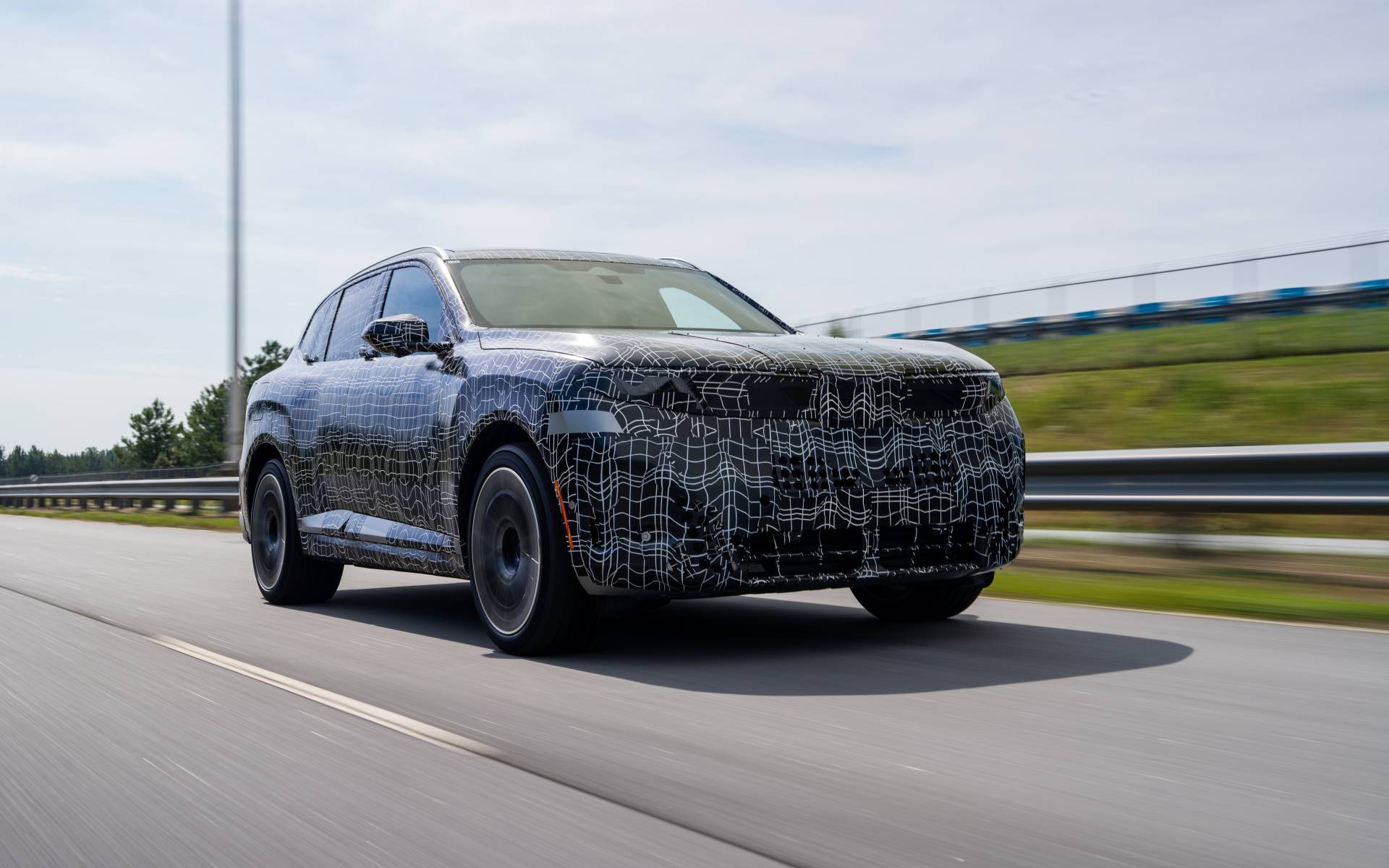
The biggest surprise was the iX5. Despite carrying around 600 kg more than the 40 xDrive, it hides the mass remarkably well. You feel the weight on broken pavement, but the suspension smooths out the worst of it. Beyond its strong acceleration, the big EV serves up a predictable, genuinely fun drive — much like the smaller iX3.
Credit goes partly to BMW's new "Heart of Joy" supercomputer, a Neue Klasse hallmark that governs both powertrain and chassis settings simultaneously. On this early evidence, it's delivering on its promise.
Watch: 2027 BMW X5 Prototype First Drive
See the camouflaged prototypes in action and get a closer look at the Neue Klasse design language before the official reveal:
Pros & Cons of the 2027 BMW X5 (So Far)
👍 Pros
- Unmatched powertrain choice — gas, PHEV, diesel, EV, hydrogen
- iX5 targets a class-leading ~700 km range
- "Heart of Joy" sharpens handling and ride
- Smarter AI-assisted parking and adaptive cruise
- Premium, tech-forward Panoramic iDrive cabin
👎 Cons
- Too few physical controls, like the iX3
- PHEV kickdown response still feels slow
- Combustion models change very little
- Pricing and final specs still under wraps
- Considerable added weight on the iX5
This Is Just a First Look
This early prototype drive offered a genuine glimpse of the X5 wearing its Neue Klasse suit. The combustion models stay largely familiar, but the electrified variants — the iX5 in particular — represent a real leap forward.
Plenty of pieces are still missing. What does BMW have planned for the M models? And we'll need final answers on interior fit and finish, real-world EV range, fuel economy and — crucially — pricing. All of that should arrive closer to launch. For now, the 2027 X5 looks set to keep BMW at the front of the luxury SUV pack against rivals like the Audi Q7, Mercedes-Benz GLE and Porsche Cayenne.
Frequently Asked Questions
When will the 2027 BMW X5 go on sale?
BMW has not confirmed an exact on-sale date. Based on the prototype testing stage, an official reveal is expected ahead of a launch around 2027, with final specs and pricing released closer to that time.
How many powertrains will the new X5 offer?
Five in total: a mild-hybrid gas inline-six, a plug-in hybrid, a diesel, a fully electric iX5, and a hydrogen fuel-cell version — though diesel and hydrogen availability will be region-specific.
What is the BMW iX5?
The iX5 60 xDrive is the all-electric version of the new X5. It uses a 141 kWh battery with an 800-volt architecture, dual motors producing about 570 hp and nearly 600 lb-ft of torque, with a targeted EPA range of around 700 km.
What is the electric range of the 2027 X5 plug-in hybrid?
The 50e xDrive PHEV is estimated at roughly 102 km on the WLTP cycle, which should translate to about 80 km on the stricter EPA cycle.
What is BMW's "Heart of Joy"?
It's a new supercomputer fitted to all Neue Klasse models. By controlling powertrain and chassis settings together, it's designed to sharpen responsiveness and improve the overall driving experience.
Is the 2027 BMW X5 built on a new platform?
Yes. It moves to BMW's Neue Klasse architecture and is the first model to combine combustion engines with that platform, sharing most design and chassis components across all five powertrain variants.
Want more BMW and EV coverage like this?
Explore the latest car news, in-depth reviews and EV insights on the World Cars Blog — and tell us in the comments which X5 powertrain you'd choose.