

12 Most Reliable Yamaha Motorcycles That Easily Hit 75,000+ Miles
Yamaha sits neck-and-neck with Honda for motorcycle reliability. These 12 bulletproof Yamahas – from the beginner-friendly V Star 250 to the legendary FJR1300 – regularly crest 75,000 miles with nothing more than oil changes and valve checks.

- Yamaha’s CP2 689cc parallel-twin in the MT-07 / Tenere 700 / XSR700 is arguably the most bulletproof modern motorcycle engine – 100k+ mile examples are common.
- Simple, air-cooled bikes like the V Star 250, XT250, and TW200 routinely hit 75k miles with basic maintenance.
- The Yamaha FJR1300 and Super Tenere XT1200Z are 150,000-200,000 mile touring machines with shaft drive.
- Regular oil changes, valve checks every 26,000 miles, and chain/belt care are all these bikes need to last decades.
Why Are Yamaha Motorcycles So Reliable?
Yamaha has been building bulletproof engines since the 1970 XS-650. Three things make modern Yamahas last: under-stressed engine tuning, proven platforms used across multiple models, and conservative electronics.
The famous CP2 689cc crossplane parallel-twin powers five different models and has been in production since 2014 with almost zero systemic failures. The CP3 889cc triple in the Tracer 9 is just as proven. For touring, Yamaha’s 1,298cc inline-four in the FJR1300 is famous for 200,000-mile Iron Butt runs.
Team Blue consistently ranks #1 or #2 in Consumer Reports motorcycle reliability surveys, right alongside Honda. That’s not an accident – it’s engineering.
12 Bulletproof Yamahas That Will Outlast Your Payments
Here are the 12 most reliable Yamaha motorcycles you can buy new or used in 2026, ranked by real-world owner mileage reports.
1. Yamaha V Star 250 / XV250 – The Indestructible Beginner Cruiser
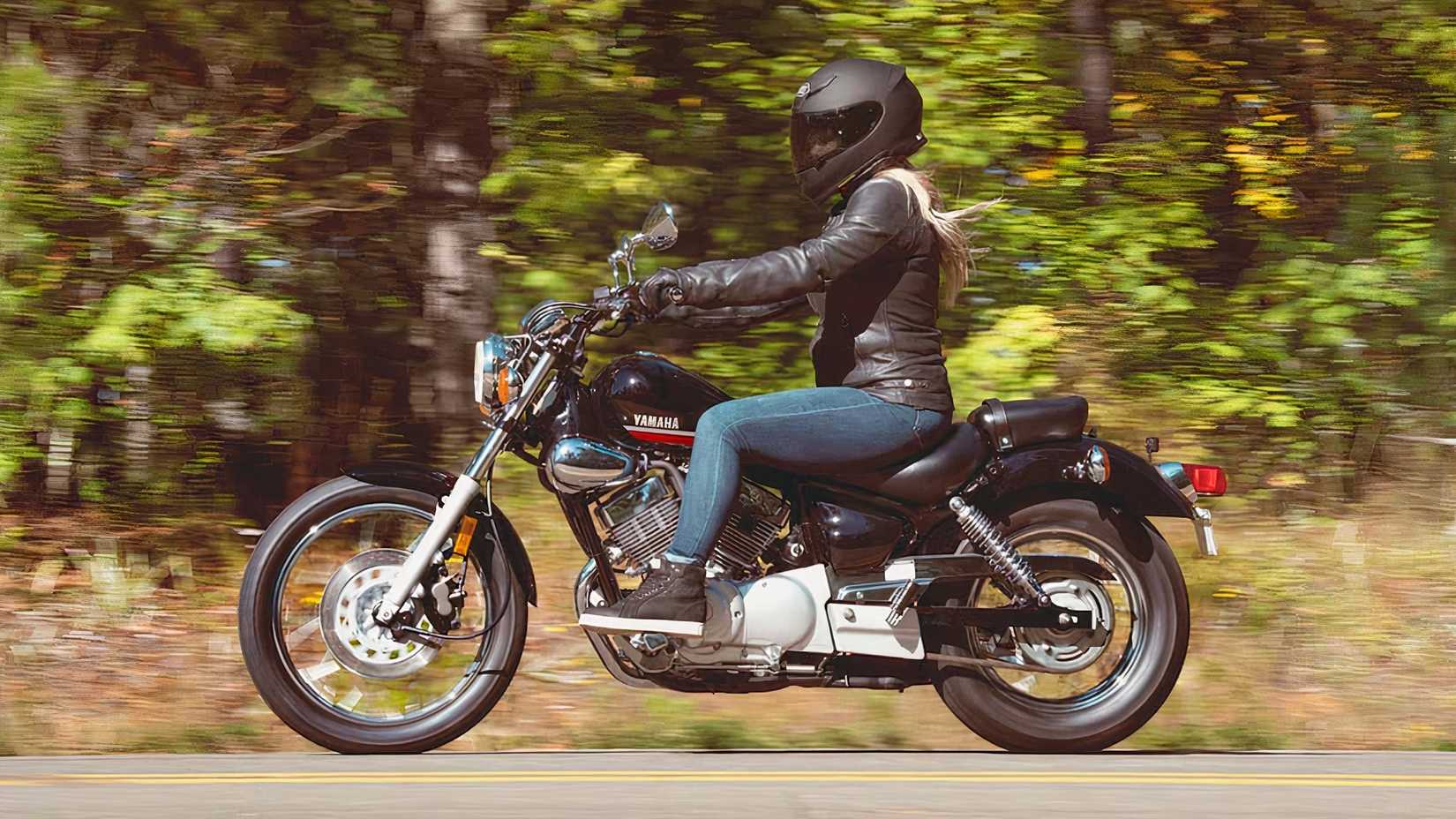
The air-cooled 249cc V-twin is virtually unkillable. Perfect for new riders.
The V Star 250 is Yamaha’s entry-level cruiser legend. Its 249cc air-cooled SOHC V-twin makes just 21 hp – meaning it’s never stressed. Carbureted, simple, and shaft-drive-free with a low-maintenance chain, owners regularly report 60,000–80,000 miles with no engine rebuilds.
Why it lasts: Low 9.0:1 compression, 2-valve heads, no liquid cooling to fail.
Watch for: Carb cleaning if it sits, basic valve adjustments every 4,000 miles.
Owner mileage: Commonly 75k+ miles in MSF training fleets.
2. Yamaha XT250 – The Simple Dual-Sport Workhorse
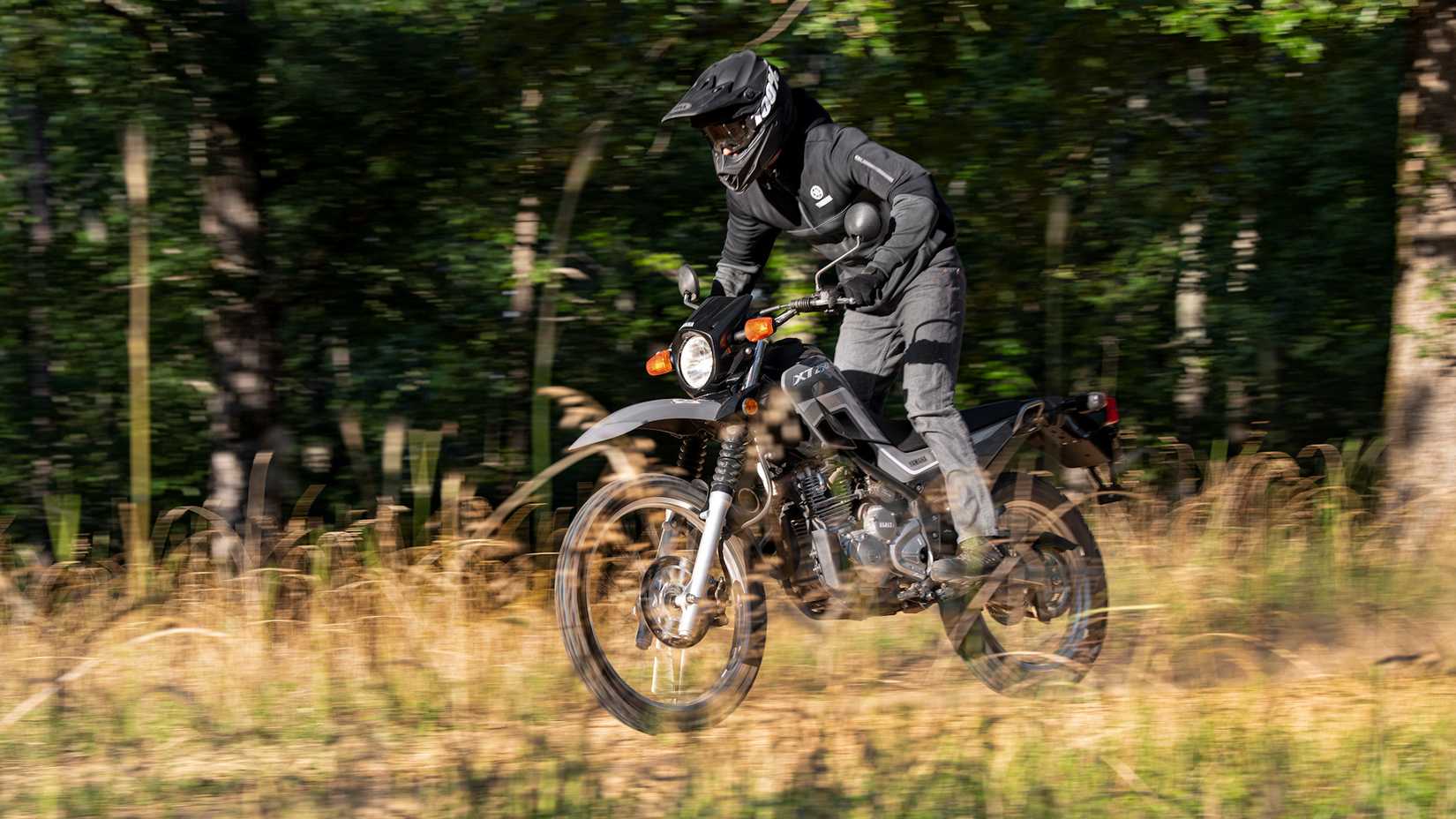
The XT250 proves dual-sports don’t need to be complex to be capable. Its 249cc air-cooled fuel-injected single makes 19 hp and returns 76 mpg. The simple diamond frame, long-travel suspension, and 32.7-inch seat height make it approachable on and off-road.
With fuel injection since 2013, cold starts are easy and there are no carb issues. Owner forums are filled with 50,000+ mile XT250s used for daily commuting and BDR routes.
Best for: Commuters, beginner ADV riders, farm bikes.
3. Yamaha TW200 – 40 Years of Unchanged Reliability
The fat-tire TW200 has been in production since 1987 with almost no changes. That 196cc air-cooled single is tractor-reliable. It’s slow, but it simply will not die. 75,000 miles is absolutely achievable with oil changes.
This is the cockroach of motorcycles – in the best way possible.
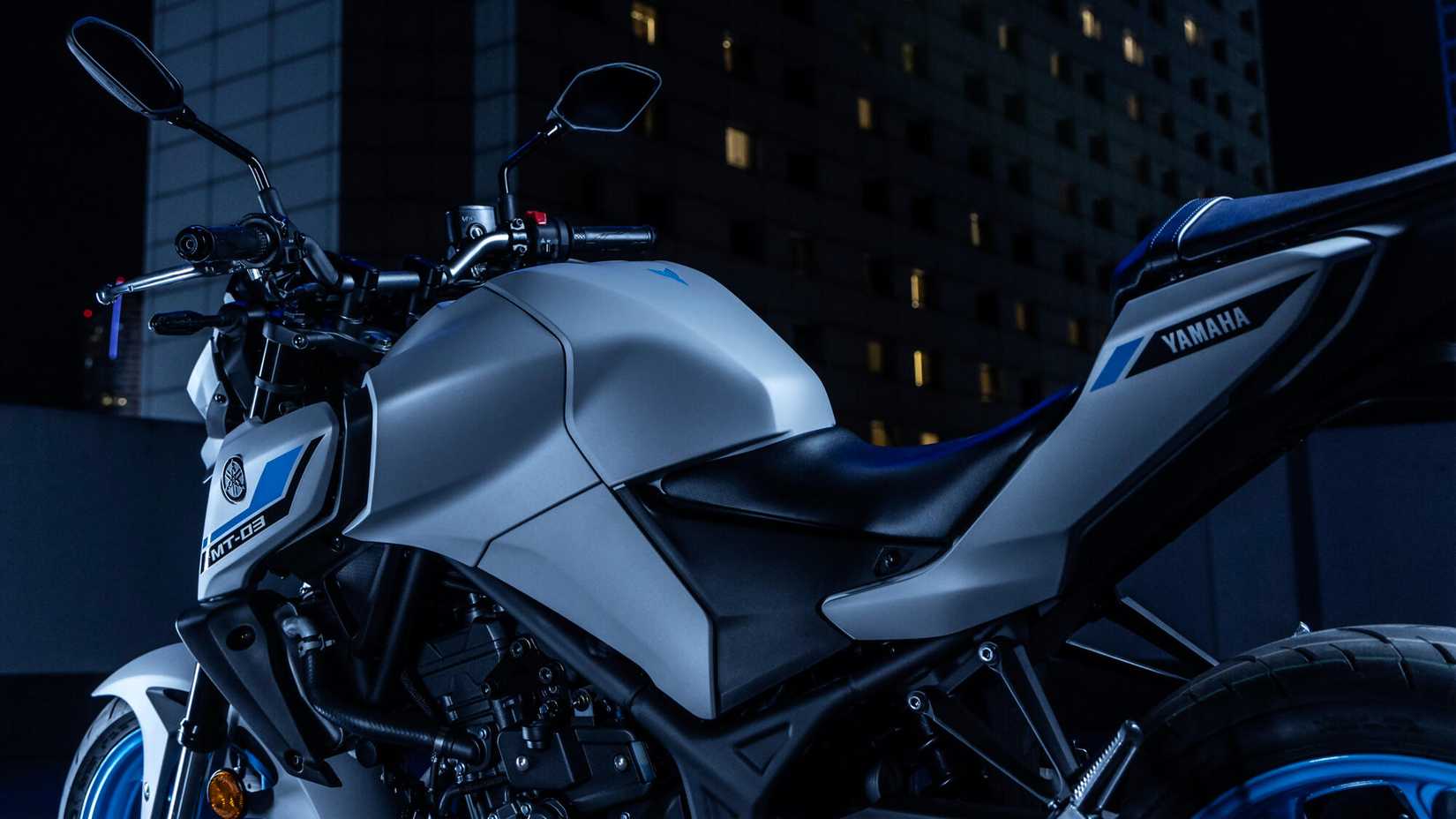
4. Yamaha MT-03 / YZF-R3 – The 321cc Twin That Survives Anything
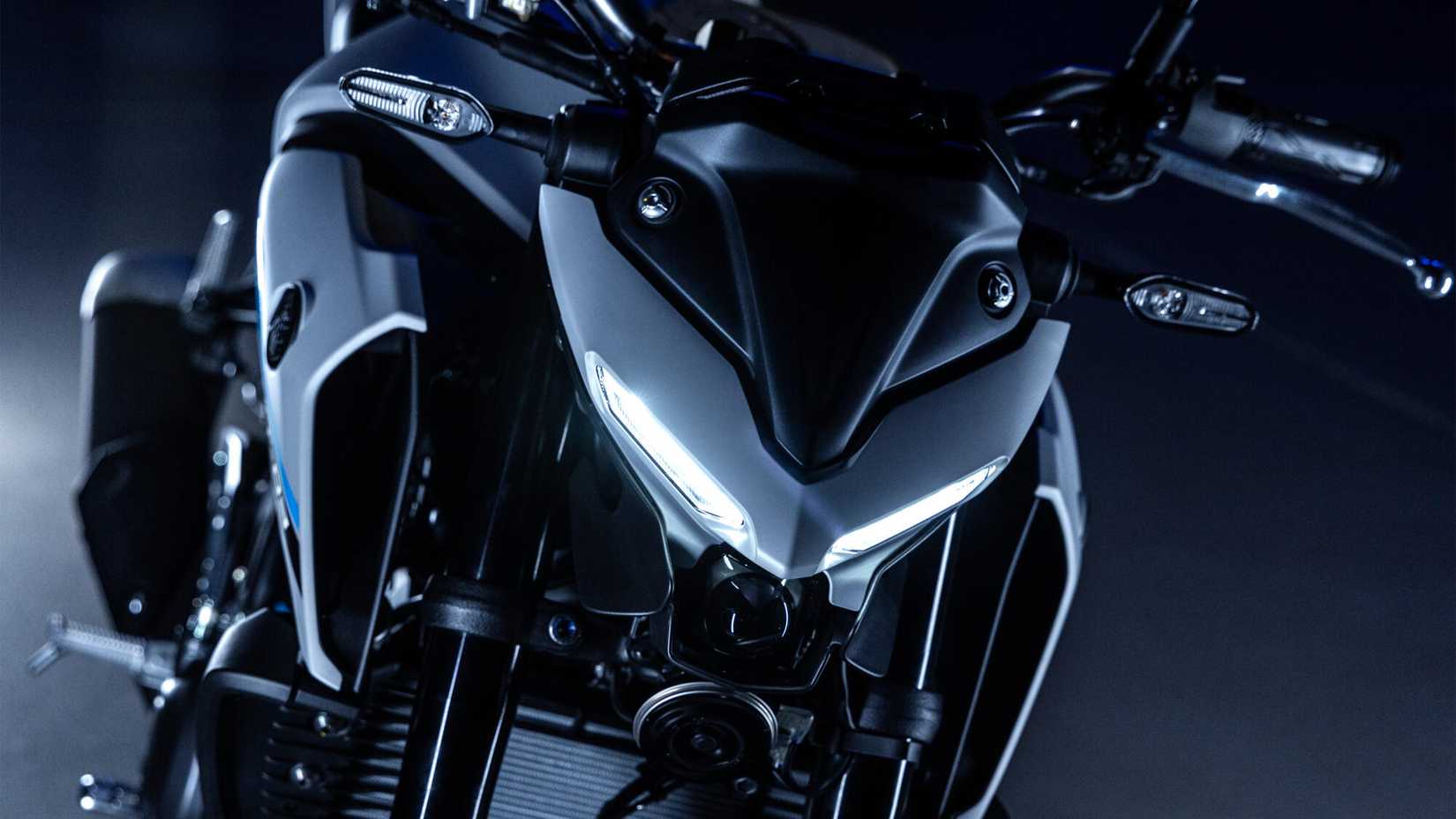
Yamaha’s 321cc liquid-cooled parallel-twin has been in service for over a decade. Whether in the naked MT-03 or the faired YZF-R3, this engine survives beginner abuse, track days, and daily commuting.
Yamaha claims 56 mpg, valve checks are only every 26,600 miles, and the platform is dead simple to work on. 75,000-mile R3s are common in Southeast Asia as taxi bikes.
5. Yamaha Bolt R-Spec / XV950 – Low-Stress V-Twin Cruiser
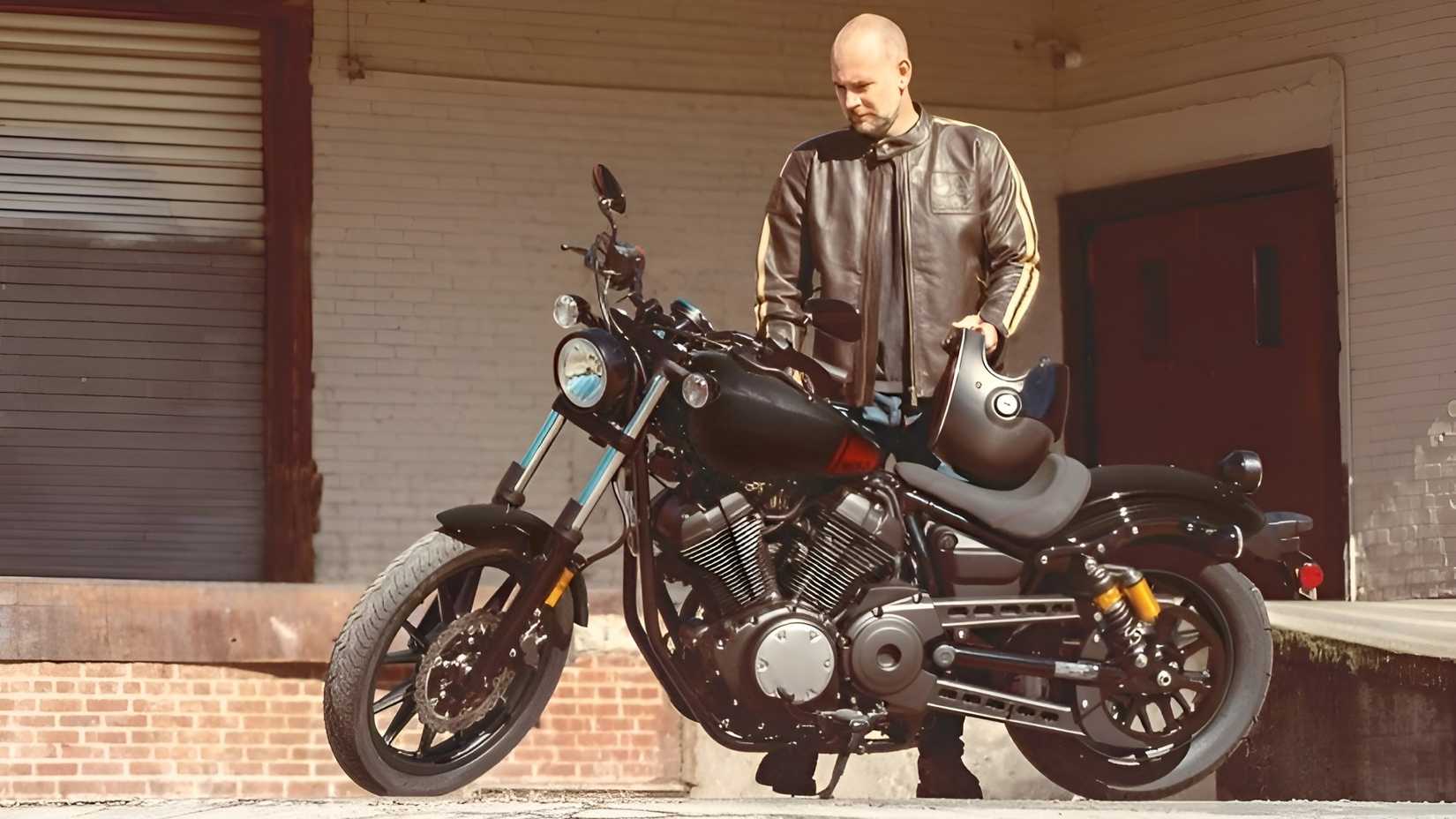
The Bolt R-Spec uses a 942cc air-cooled 60-degree V-twin with SOHC and a lazy 9.0:1 compression ratio. No complex electronics, no liquid cooling, and a low-maintenance belt final drive.
Owner reports on forums frequently show 50,000–80,000 miles with zero mechanical failures. It’s a modern Sportster-killer that actually stays running.
6. Yamaha MT-07 / FZ-07 – The CP2 King
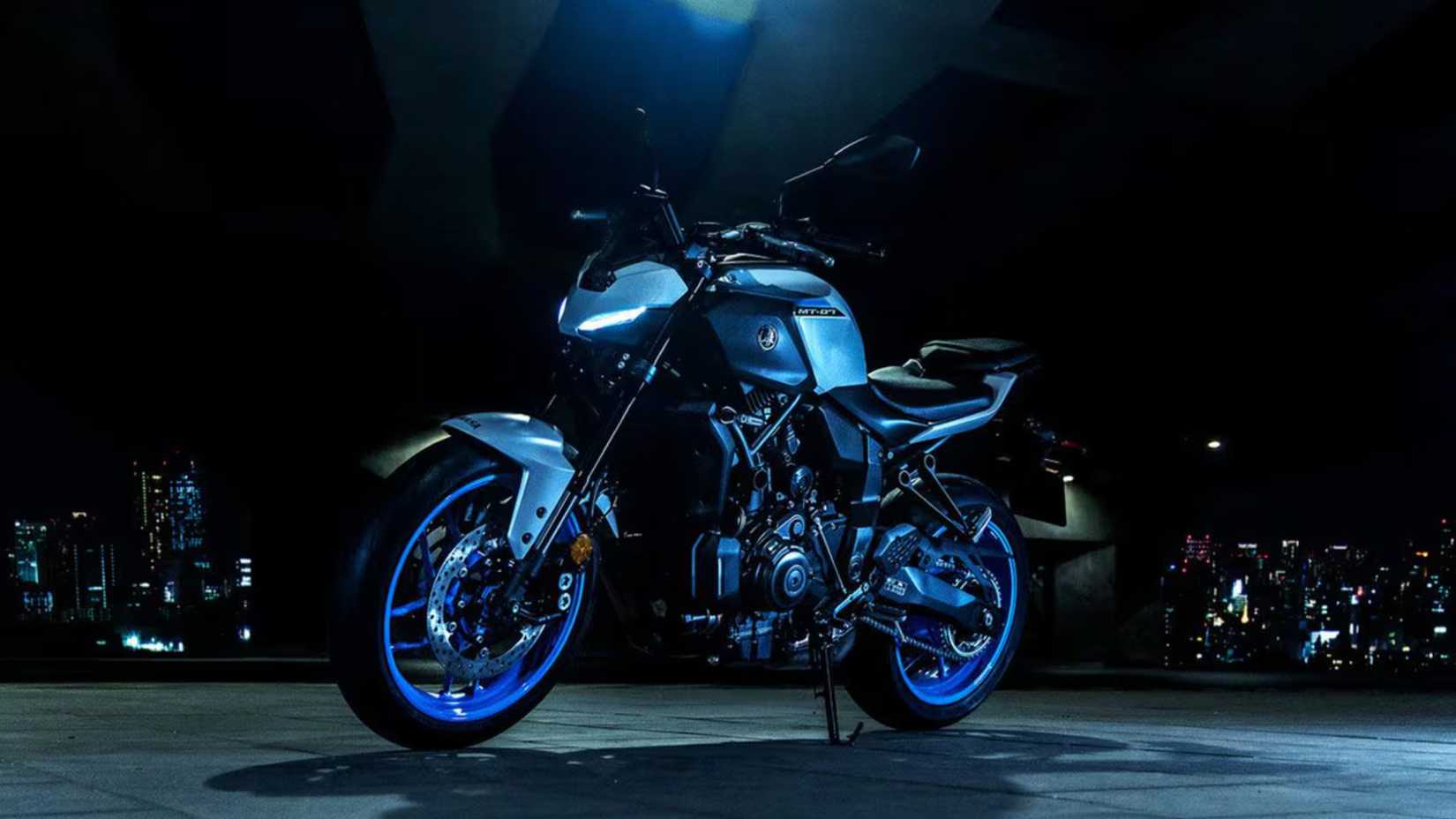
Valve intervals are 26,600 miles, fuel economy is 58 mpg, and there are documented MT-07s with over 150,000 miles on the original engine and clutch. It’s the modern SV650, but better.
Pro tip: Change the oil every 5,000 miles with full synthetic and this engine will outlive you. For tips on long-term vehicle reliability, routine fluids are everything.
7. Yamaha XSR700 – Retro Looks, CP2 Durability
Same bulletproof CP2 engine as the MT-07, wrapped in a gorgeous retro standard package. All the reliability, none of the hooligan plastics. A perfect used buy – these regularly sell with 40k+ miles and have another 60k left in them easily.
8. Yamaha Ténéré 700 – The Around-The-World ADV
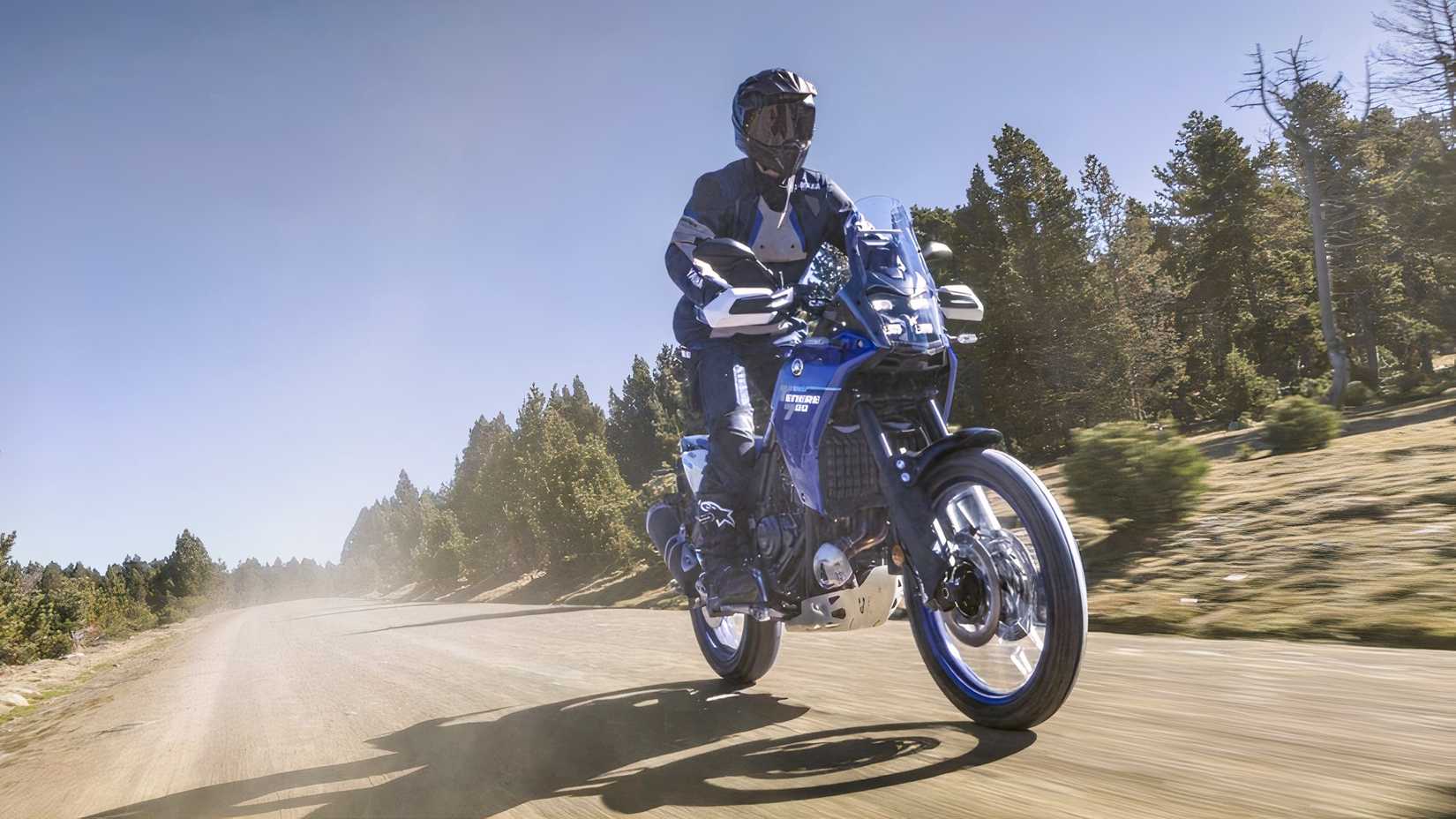
The Ténéré 700 changed adventure bikes forever by skipping radar cruise and 50 riding modes. Instead you get the proven CP2 engine, fully adjustable KYB suspension, 21/18-inch wheels, and a 4.2-gallon tank.
It’s light, simple, and crash-tested by RTW riders from Patagonia to Mongolia. 75,000 hard off-road miles? No problem.
9. Yamaha Tracer 9 GT – The Sport-Touring Value King
The Tracer 9 GT uses Yamaha’s 890cc CP3 triple – 119 hp, turbine smooth, and proven since 2015 in the MT-09/FJ-09. Owners report rock-solid reliability, 48 mpg highway, and comfortable 700-mile days thanks to the electronically adjustable suspension.
It undercuts a BMW S1000XR by $6,000 and will be more reliable doing it.
10. Yamaha V Star 1300 – Shaft-Drive Cruiser Tank
The 1,304cc liquid-cooled V-twin in the V Star 1300 is under-stressed at 70 hp, and it sends power through a maintenance-free shaft drive. Belt? Chain? Nope. Just ride.
These tourers regularly hit 90,000–120,000 miles with basic valve checks.
11. Yamaha Super Ténéré XT1200Z – The 200,000-Mile ADV
The Super Ténéré is Yamaha’s most overlooked adventure bike – and its toughest. The 1,199cc parallel-twin, shaft drive, and traction control/ABS suite are built for the Dakar and the Dalton Highway.
Owner forums are full of 150,000+ mile bikes. Some couriers in Europe have pushed past 200,000 miles on the original engine. If you want a true around-the-world Yamaha, this is it.
12. Yamaha FJR1300 – The Iron Butt Legend
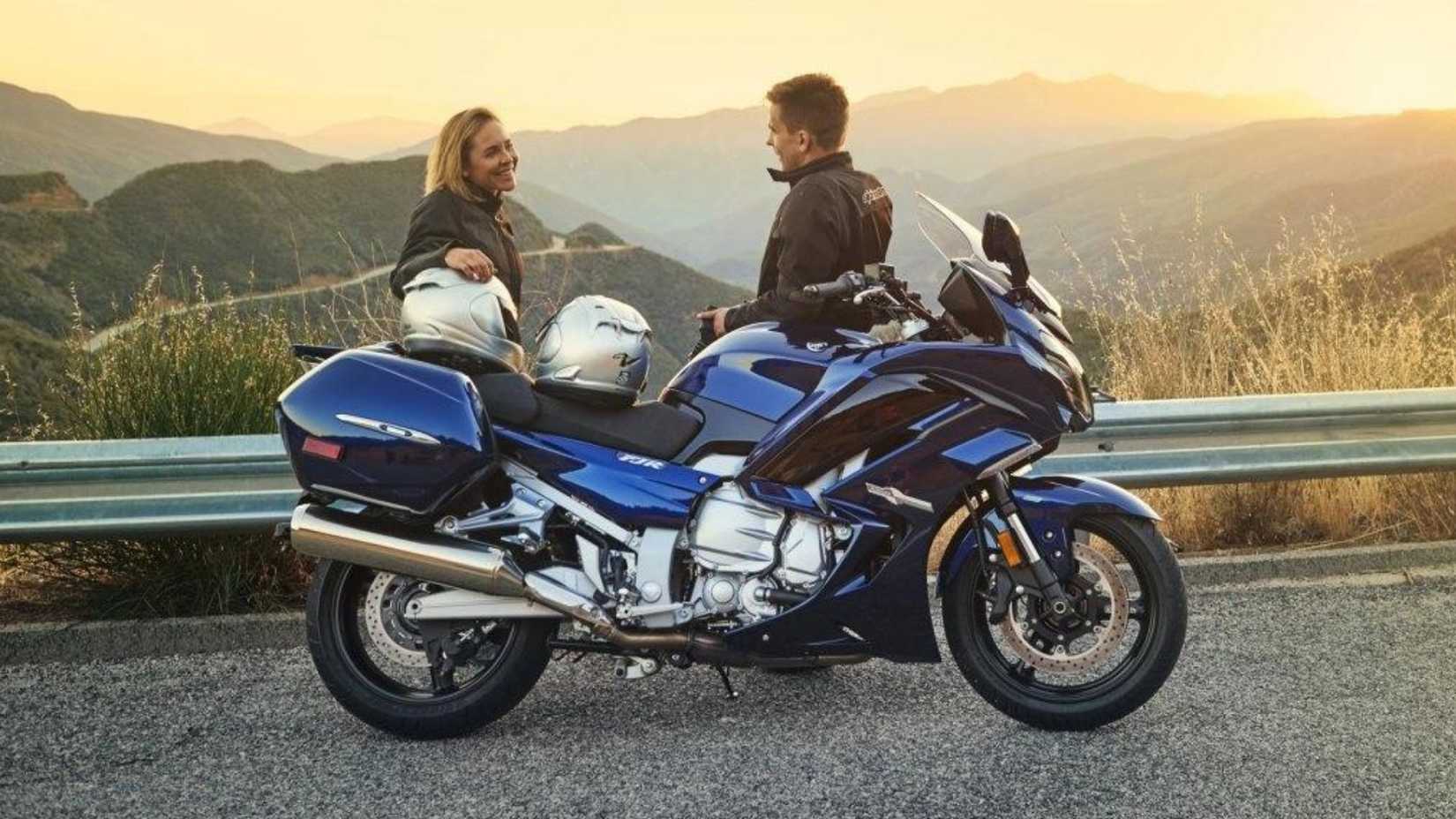
The king. The Yamaha FJR1300’s 1,298cc inline-four is one of the most durable motorcycle engines ever built. Shaft drive, adjustable ergonomics, 6.6-gallon tank, and 145 hp.
Iron Butt Association riders routinely do 100,000 miles in 3 years on FJRs. 200,000-mile examples are common, 300,000 is not unheard of. If you want a motorcycle that will last longer than most cars, buy an FJR.
Before a long tour, make sure you have the right coverage – see our motorcycle insurance guide for 2026.
High-Mileage Yamaha Comparison Table
| Model | Engine | Real-World Mileage | Drive | Best For |
|---|---|---|---|---|
| V Star 250 | 249cc V-Twin | 75,000+ mi | Chain | Beginners |
| XT250 | 249cc Single | 70,000+ mi | Chain | Dual-sport |
| MT-03 / R3 | 321cc Twin | 75,000+ mi | Chain | Sport/Beginner |
| Bolt R-Spec | 942cc V-Twin | 80,000+ mi | Belt | Cruiser |
| MT-07 / XSR700 | 689cc CP2 Twin | 100,000–150,000 mi | Chain | Naked/Standard |
| Ténéré 700 | 689cc CP2 Twin | 100,000+ mi | Chain | Adventure |
| Tracer 9 GT | 890cc CP3 Triple | 100,000+ mi | Chain | Sport-Touring |
| FJR1300 | 1,298cc Inline-4 | 200,000+ mi | Shaft | Touring |
| Super Ténéré | 1,199cc Twin | 150,000–200,000 mi | Shaft | ADV Touring |
Yamaha High-Mileage Maintenance Checklist
Want 75,000+ trouble-free miles? Follow this:
- Oil: Full synthetic every 4,000–6,000 miles
- Valves: Check every 26,600 miles – CP2/CP3 engines rarely need adjustment
- Coolant: Flush every 2 years on liquid-cooled models
- Chain: Clean/lube every 500 miles, replace at 20k miles
- Shaft/Belt: Inspect gear oil every 12k miles – FJR/Super Tenere are nearly zero-maintenance
- Throttle bodies: Sync at 25k miles for smooth running
Modern Yamahas will throw codes if something is wrong. Learn the basics of diagnosing engine codes – the process is similar for bikes with OBD-II adapters.
Pros & Cons of Buying a High-Mileage Yamaha
- Proven reliability – Consumer Reports #1
- Cheap parts, huge aftermarket
- Simple valve maintenance
- Excellent resale value
- Engines are under-stressed
- Early CP3 models had CCT rattle – fixed 2017+
- Some cruisers are carbureted – cold starts
- Chain-drive models need regular care
- FJR1300 is heavy at 642 lbs
FAQ: Reliable Yamaha Motorcycles
What is the most reliable Yamaha motorcycle?
The Yamaha FJR1300 is widely considered the most reliable Yamaha, with countless 200,000+ mile examples. For modern middleweights, the CP2-powered MT-07 / Tenere 700 / XSR700 is virtually bulletproof, with 100,000+ mile engines being common.
How many miles can a Yamaha MT-07 last?
A well-maintained Yamaha MT-07 will easily last 100,000 to 150,000 miles. The 689cc CP2 engine has 26,600-mile valve intervals and rarely needs adjustment. Regular oil changes are the key to longevity.
Are Yamaha motorcycles more reliable than Honda?
Yamaha and Honda trade the #1 spot in reliability surveys every year. Both are far ahead of European brands. Yamaha typically wins for sport and adventure bikes, Honda for cruisers and small displacement models. You can’t go wrong with either.
What Yamaha engine is the most bulletproof?
The 689cc CP2 crossplane twin in the MT-07/Tenere 700, and the 1,298cc inline-four in the FJR1300. Both are under-stressed, have long valve intervals, and documented 150,000–200,000 mile lifespans.
Is the Yamaha Tenere 700 good for long distance?
Yes. The Tenere 700 is one of the best long-distance adventure bikes you can buy. The CP2 engine is proven for 100k+ miles, fuel economy is 55+ mpg, and the simple electronics mean fewer things to fail in remote areas.
How often should you service a high-mileage Yamaha?
Change full-synthetic oil every 4,000–6,000 miles, check valves every 26,600 miles, flush coolant every 2 years, and lube your chain every 500 miles. Shaft-drive models like the FJR1300 need final drive oil every 12,000 miles.
Conclusion: Buy the Miles, Not the Years
Yamaha’s reputation isn’t marketing – it’s earned. From the $4,500 V Star 250 to the Iron Butt-conquering FJR1300, these 12 Yamahas prove that 75,000 miles is just getting started.
If you want maximum longevity for the money: buy a CP2 bike – MT-07, XSR700, or Tenere 700. If you want to tour continents: buy an FJR1300 or Super Ténéré. If you’re new: a V Star 250, XT250, or MT-03 will survive your learning curve and still have 50,000 miles left to sell.
Which high-mileage Yamaha would you trust for a cross-country trip? Let us know in the comments, and check out our full expert vehicle reviews for more long-term reliability guides.
Disclaimer: Mileage figures are based on aggregated owner reports from ADVrider, FJRForum, Yamaha forums, and Consumer Reports reliability data. Individual results vary with maintenance


